
Could Your Dog or Cat Be at Risk From the New World Screwworm?
A tiny wound might not seem like a big concern at first glance. Still, recent developments have veterinarians and animal health officials paying close attention to a parasite that can turn even a small injury into a serious medical problem. At Coit Hedgcoxe Animal Hospital, your Frisco, TX veterinary clinic, questions about New World screwworm in pets are becoming more common as reports of this parasite continue to make headlines. Understanding the risks, recognizing the warning signs, and knowing when to contact a veterinarian can help protect your furry friend.
Although the United States successfully eradicated New World screwworm decades ago, recent detections in North America have renewed concern among veterinary and agricultural professionals. Learning about screwworm symptoms in dogs and cats, understanding the threat posed by the flesh-eating screwworm fly, and taking steps toward preventing screwworm infestations in pets can help you make informed decisions about your pet’s health. Staying informed is an important part of reducing the risk of pet parasites and protecting the animals that depend on you every day.
What Is the New World Screwworm?
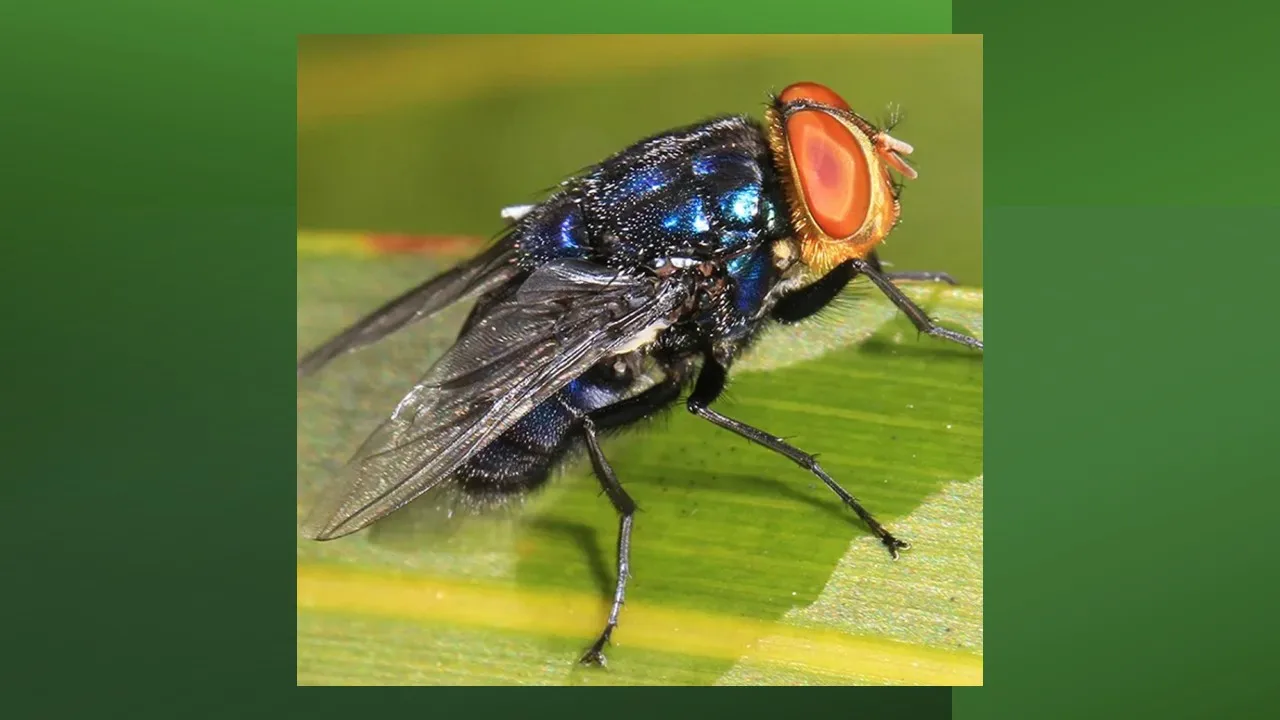
The New World screwworm is the larval stage of a parasitic fly called Cochliomyia hominivorax. While adult flies resemble many common flies found throughout North America, their offspring behave very differently.
Unlike typical maggots that feed on dead or decaying tissue, New World screwworm larvae feed on healthy, living tissue. This distinction makes the parasite particularly dangerous. When the adult female fly locates an open wound or vulnerable area, she deposits eggs that hatch into larvae. Those larvae then burrow into living tissue and begin feeding.
The parasite gets its name from the screw-like appearance and movement of the larvae as they penetrate tissue. Left untreated, the infestation can worsen as more tissue is affected.
Why Is the New World Screwworm Making News Again?
For many years, the New World screwworm was considered a success story in animal health.
The United States eliminated the parasite through a large-scale eradication program that relied heavily on releasing sterile male flies. This innovative approach dramatically reduced screwworm populations and eventually eliminated them from the country.
Recent detections in Mexico and confirmed cases in Texas have renewed concerns among federal and state animal health agencies. The Centers for Disease Control and Prevention, the United States Department of Agriculture, the Texas Animal Health Commission, and the American Veterinary Medical Association continue to monitor the situation closely.
While widespread infestations remain uncommon, awareness is important because early detection can help reduce harm to both livestock and companion animals.
How Is a Screwworm Different From an Ordinary Maggot?
This is one of the most common questions pet owners ask.
Ordinary Maggots Feed on Dead Tissue
Most fly larvae help break down dead organic material. They typically feed on tissue that is already damaged or decomposing.
In some controlled medical situations, specialized maggots are even used to remove dead tissue from wounds.
Screwworms Feed on Living Tissue
The New World screwworm behaves very differently.
Instead of feeding on dead tissue, screwworm larvae actively consume healthy flesh. As the larvae grow, they continue to expand the wound, causing additional tissue damage.
This is why veterinarians consider suspected screwworm infestations a medical emergency.
How Do Pets Get Screwworms?
Dogs and cats become vulnerable when a female screwworm fly finds an opportunity to lay eggs.
The fly is attracted to wounds, irritated skin, and other areas where tissue may be exposed.
Potential risk factors include:
- Cuts and scrapes
- Surgical incisions
- Bite wounds
- Hot spots
- Skin infections
- Tick bite sites
- Ear wounds
- Areas of chronic skin irritation
Once eggs are deposited, they can hatch quickly. The resulting larvae begin feeding on surrounding tissue, causing the wound to enlarge.
This is why prompt wound care is one of the most effective methods of preventing screwworm infestations in pets.
Which Pets Face the Greatest Risk?
Not every pet faces the same level of exposure.
Outdoor Dogs
Dogs that spend significant time outdoors may be more likely to encounter flies and sustain minor injuries.
Hunting dogs, ranch dogs, working dogs, and highly active pets may have increased opportunities for exposure.
Outdoor Cats
Your feline friend may encounter additional risks if they spend time outdoors.
Outdoor cats frequently explore brush, wooded areas, fences, and other environments where injuries can occur.
Small wounds sometimes go unnoticed beneath a cat’s fur, making regular inspections especially valuable.
Pets Recovering From Surgery
Surgical incisions require careful monitoring during recovery.
Following your veterinarian’s instructions and checking incision sites regularly can help identify potential problems early.
Pets With Skin Conditions
Chronic allergies, hot spots, excessive scratching, and recurring skin infections may create openings that attract flies.
Addressing skin concerns promptly supports both comfort and protection.
Screwworm Symptoms in Dogs and Cats
Recognizing screwworm symptoms in dogs and cats early can help reduce complications.
The challenge is that symptoms may not be obvious at first.
Enlarging Wounds
One of the earliest signs is a wound that appears to worsen rather than improve.
Instead of healing normally, the area may become larger, more inflamed, or more painful over time.
Excessive Licking or Chewing
Dogs and cats often focus attention on areas that hurt or itch.
You may notice:
- Persistent licking
- Chewing
- Scratching
- Increased grooming
When these behaviors become excessive, they deserve closer attention.
Foul Odor
A wound that develops an unusual odor should always be evaluated.
As tissue damage progresses, odors may become stronger and more noticeable.
Visible Larvae
In some cases, pet owners may see larvae within the wound.
This finding requires immediate veterinary attention.
Attempting to treat the problem at home can delay appropriate care and allow additional tissue damage to occur.
Could Indoor Pets Be Affected?
Many people assume indoor pets are completely protected.
The reality is a bit more complicated.
Indoor pets generally face lower risks because they have less exposure to outdoor environments. However, indoor pets can still develop wounds, surgical incisions, skin conditions, or injuries that may create opportunities for infestation if exposure occurs.
Pets recovering from surgery deserve particular attention regardless of whether they spend most of their time indoors or outdoors.
Monitoring wounds remains important for every pet.
How Veterinarians Diagnose and Treat Screwworm Infestations
Prompt veterinary care is critical whenever a screwworm infestation is suspected.
Diagnosis typically begins with a physical examination and evaluation of the affected area.
Treatment may include:
- Removal of larvae
- Thorough wound cleaning
- Assessment of tissue damage
- Pain management
- Treatment of secondary infections
- Ongoing wound monitoring
The sooner treatment begins, the more options are typically available for managing the injury and supporting healing.
Why Early Detection Makes Such a Difference
One reason New World screwworm receives so much attention from veterinary and agricultural authorities is the speed at which infestations can progress.
The larvae continue feeding and growing while embedded in living tissue.
As time passes, wounds may:
- Become larger
- Become more painful
- Develop secondary infections
- Require more extensive treatment
Early veterinary intervention can help limit these complications.
Routine skin checks and prompt attention to wounds play an important role in protecting your four-legged friend.
How to Help Prevent Screwworm Infestations in Pets
Fortunately, there are several practical steps pet owners can take.
Check Your Pet Regularly
Get into the habit of examining your dog or cat during grooming sessions, cuddle time, or routine handling.
Look for:
- Cuts
- Scrapes
- Swelling
- Skin irritation
- Unusual lumps
- Areas of hair loss
Early identification of problems often leads to quicker treatment.
Monitor Wounds Closely
Any wound deserves attention.
Keep healing areas clean and follow veterinary instructions carefully after surgical procedures.
If a wound appears to worsen rather than improve, contact your veterinarian.
Address Skin Problems Promptly
Chronic itching, allergies, and skin infections can create opportunities for complications.
Seeking veterinary care early can help reduce discomfort and lower exposure risks.
What Pet Owners Should Know Moving Forward
The recent attention surrounding New World screwworm does not mean every pet is in immediate danger.
However, awareness is valuable.
Understanding how the parasite operates, recognizing potential warning signs, and staying current with information from trusted animal health organizations allows you to make informed decisions for your pet.
The best approach combines awareness with practical prevention.
A little vigilance today can help protect your furry bestie tomorrow.
Texas Public Radio is tracking the screwworm infestation in Texas. WKVU is also monitoring the screwworm infestation.
FAQ
What is New World screwworm in pets?
New World screwworm in pets is a parasitic infestation caused by fly larvae that feed on living tissue. Dogs and cats can become infected when adult flies lay eggs in wounds or damaged skin.
What are common screwworm symptoms in dogs and cats?
Common symptoms include enlarging wounds, excessive licking, swelling, foul-smelling discharge, pain, skin irritation, and visible larvae within affected tissue.
How do pets get screwworms?
Pets typically become infected when female screwworm flies deposit eggs in open wounds, surgical sites, skin infections, or other vulnerable areas.
Can indoor pets get screwworm infestations?
Indoor pets generally face lower risks, but they can still be affected if they develop wounds or healing surgical sites that become exposed to flies.
How can I help prevent screwworm infestations in pets?
Preventing screwworm infestations in pets involves monitoring wounds closely, addressing skin problems promptly, following post-surgical care instructions, and scheduling veterinary visits when concerns arise.
Schedule an Appointment at Our Frisco, TX Veterinary Clinic
Staying informed about New World screwworm in pets can help you recognize problems early and seek appropriate care when needed. At Coit Hedgcoxe Animal Hospital, your Frisco, TX animal hospital, protecting your pet’s health starts with preventive care, routine examinations, and prompt attention to wounds or skin concerns. If you’ve been searching for a vet near me and have questions about screwworm symptoms in dogs and cats, preventing screwworm infestations in pets, or other pet parasite risks, schedule an appointment today with an experienced veterinarian.
This blog is intended for informational purposes only. Always consult your veterinarian for medical advice, diagnosis, and treatment recommendations specific to your pet. Follow your veterinarian’s guidance regarding wound care, parasite prevention, and overall health management.
To learn more about our Frisco, TX veterinary clinic, stop by our Services page. We offer a full range of veterinary care services, from Wellness, Vaccinations, and more.
Sources
Centers for Disease Control and Prevention (CDC)
https://www.cdc.gov/new-world-screwworm/
United States Department of Agriculture (USDA APHIS)
https://www.aphis.usda.gov
Texas Animal Health Commission (TAHC)
https://www.tahc.texas.gov
American Veterinary Medical Association (AVMA)
https://www.avma.org
Could Your Dog or Cat Be at Risk From the New World Screwworm?

Cat Health Exams: Why Yearly Vet Visits Matter

Dog Training: Building Confidence and Trust

Dog Allergy Relief: Itching, Skin, and Paws
Cat Grooming: Brushing, Bathing, and Nail Care

Dog Separation Anxiety: Training Solutions
Cat Dental Health: Preventing Pain and Loss

Dog Nutrition Basics: Food and Treat Choices

Cat Enrichment: Play, Climbing, and Stimulation